273’2025 (2025-09-30) – Tuesday

Today, I learned about:

Nikola Tesla would be extremely proud if he knew what the current scientists are on the way to realize. Once of his projects dealt with transmitting electric energy wirelessly over a distance.

The US projects agency DARPA, well known among other things for creating the first steps of the internet and automatic vehicle guidance systems, recently published the results of a series of tests in the U.S. Army’s White Sands Missile Range, New Mexico, USA, where their program POWER (Persistent Optical Wireless Energy Relay) set a new record for transmitting power over distance. The team recorded more than 800 W of power delivered during a 30-second transmission from a laser 8,6 km away. Over the course of the test series, more than 1 MJ of energy was transferred.
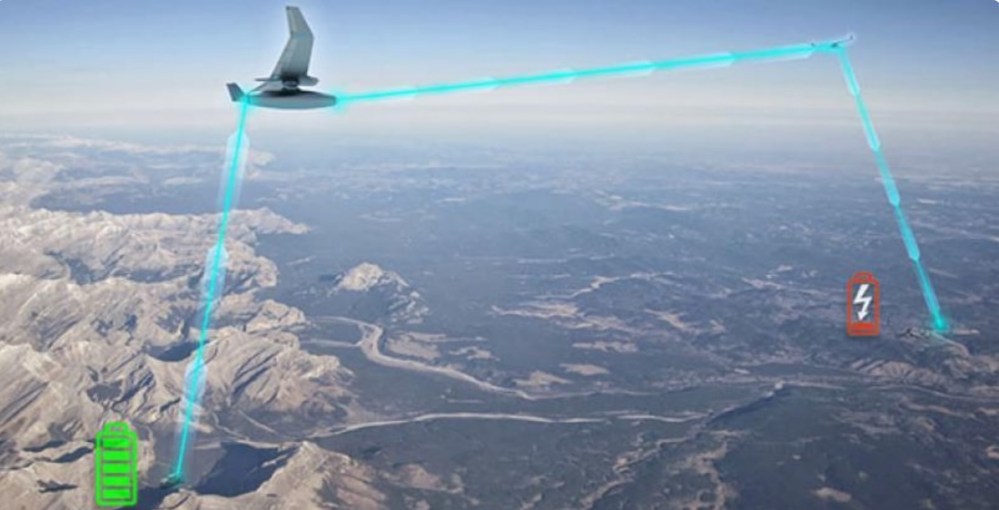
An artist’s view of how electrical energy could be relayed from a source to the necessary area by way of aircraft.
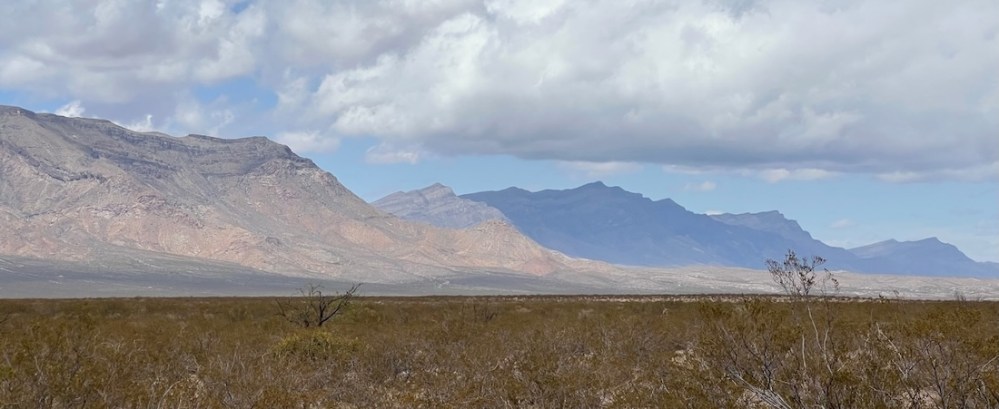
A photo taken at the test site the day that the record was obtained.

More about Nikola Tesla and the DARPA program can be found in References #1 and #2 below.

The following photos were taken by a faithful follower of my blog, who recently visited the South of Italy. From Cabo do Vaticano, he had a breathtaking view of the island of Stromboli with its still active volcano. Thank you, my friend, for your continued support of my blog!

More about Stromboli can be found in Reference #3 below.
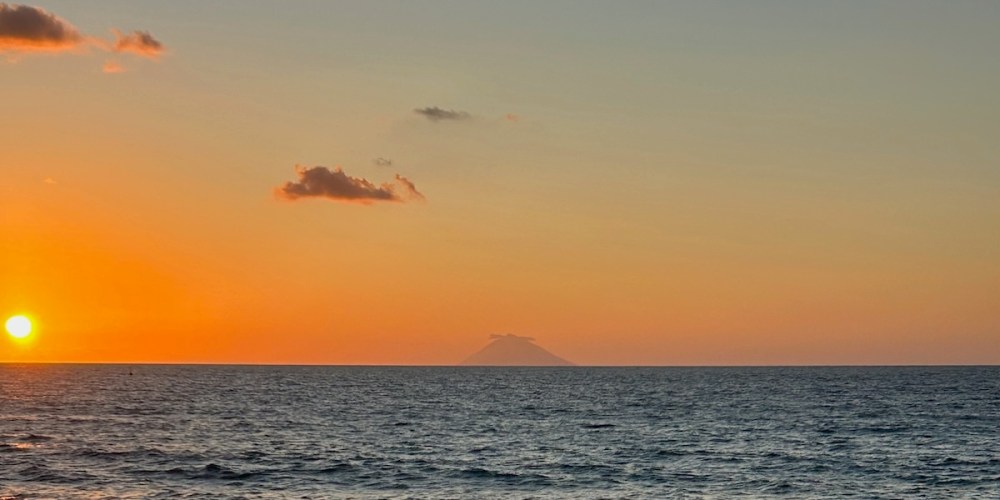
The sun setting on the Mediterranean Sea with the Stromboli volcano shown in the horizon. Photo taken on 257’2025 (2025-09-14).

The sun has already set on the Mediterranean Sea with the Stromboli volcano shown in the horizon. Photo taken on 257’2025 (2025-09-14).

That’s what I learned in school today!

Ref.:

1: Nikola Tesla

2: DARPA program sets distance record for power beaming

3: Stromboli
*: What did you learn in school today?

243’2025 (2025-08-31) – Sunday

Today, I learned about:

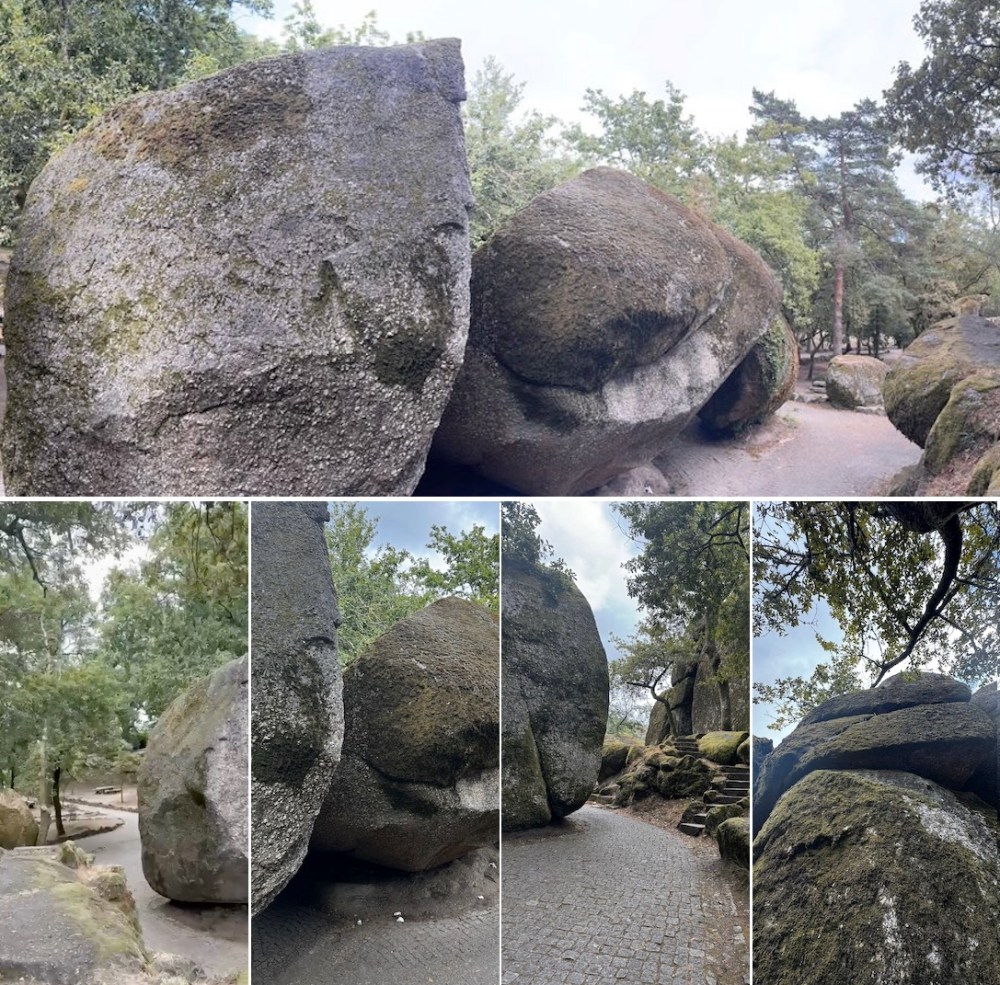
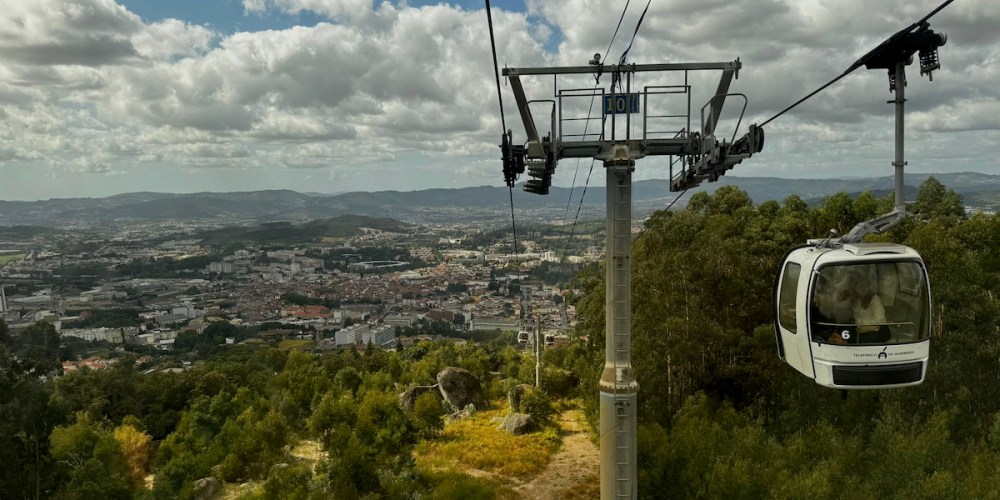
Following my story from last month’s blog, here is yet another interesting place on this earth. This time we have moved eastwords into the Old World, specifically the birthplace of Portugal, named Guimarães. It is located in a mountainous region in the North, not very far from the cities of Braga and Porto. Reference #1 tells you more about Guimarães and its region.

The following photos were taken by my friend Dina Giltinan, who varies living with her family in Guimarães and Limerick, Republic of Ireland. Thank you Dina for yet another contribution!

Earlier publications originated by Dina are 2016-02-24 , 2016-03-17 , 2016-08-28 , 120’2022-04-30, and 11’2024-01-11.

Cable car in the região of Guimarães, North of Portugal, going from the city up into the mountians. Photo taken by Dina Giltinan in August, 2025.

Forest with granite rocks in the region of Guimarães, North of Portugal. Photos taken by Dina Giltinan in August, 2025.

That’s what I learned in school today!

Ref.:

1: Guimarães

*: What did you learn in school today?

212’2025 (2025-07-31) – Thursday

Today, I learned about:

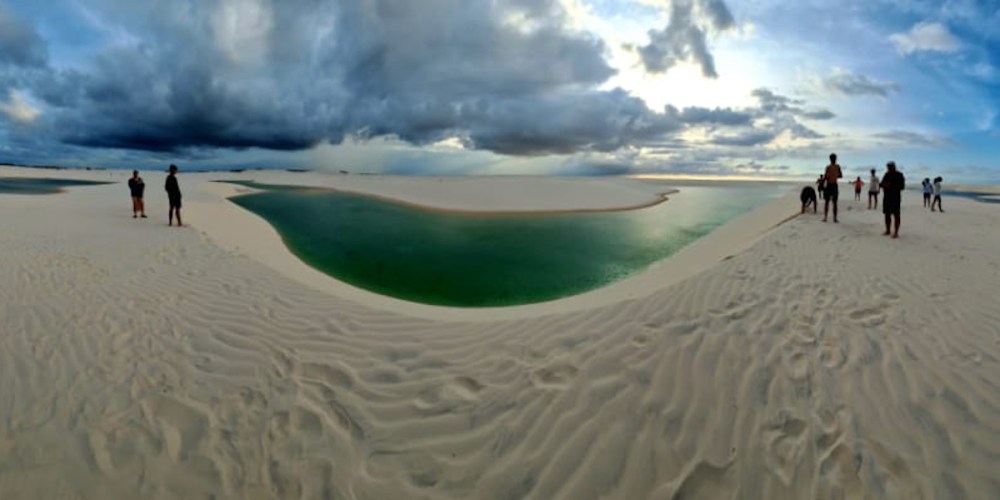
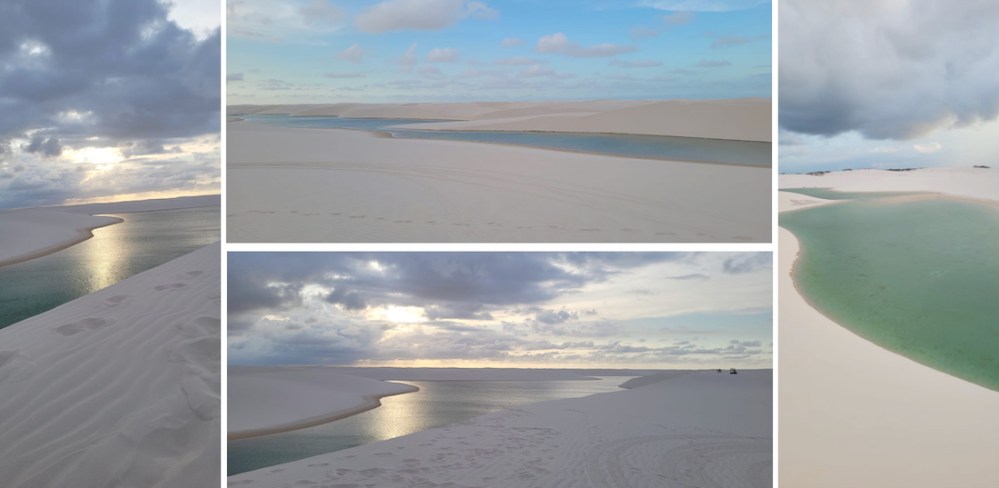
There are so many beautiful places around the world and this month I will show you yet another one. It is a national park located in the state of Maranhão, on the Northeast coast of Brazil, called Parque Nacional dos Lençois Maranhenses. It has a 70 km coastline, and an interior composed of rolling sand dunes. In July 2024 the site was declared a UNESCO World Heritage Site a for its exceptional beauty and the fact that it is a unique natural aspect in the world.

Below are some photos from there. I wish to thank my neighbors, Cloves and Luzimar Bianco, for taking the time to shoot these marvellous pictures. More about this esquisite place can be found in Reference #1 below.

Photos from Parque Nacional dos Lençois Maranhenses, taken on 187’2025 (2025-07-06) by Cloves and Luzimar Bianco

That’s what I learned in school today!

Ref.:

1: Parque Nacional dos Lençois Maranhenses

*: What did you learn in school today?

91’2024 (2024-03-31) – Easter Sunday

Today, I learned about:

It is so interesting when something that earlier was the privilege of a few countries is suddenly spread out also to those who you cannot think about in that context. One good example is the Swedish pole-vaulter Armand Duplantis, currently the world’s undisputed champion, who has raised the world record in 1 cm increments from 6,17 to 6,23 m, with more to come. He was born in the USA, but thanks to his Swedish mother, he also has a Swedish citizenship. More about him can be found here: 212’2022 (2022-07-29).

Something similar is about to happen in winter sports. As you may remember from my earlier posts of 240’2022 (2022-08-28), 304’2022 (2022-10-31), 334’2022 (2022-11-30), 31’2023 (2023-01-31), and 272’2023 (2023-09-29), I wrote about the growing interest in Brazil for winter sports.

Earlier this month, CBDN (Brazilian Confederation of Snow Sport) had the pleasure of presenting to the world its newest affiliate, the Norwegian slalom skier Lucas Braathen, who also has a Brazilian mother and thus also a Brazilian citizenship. He spent much of his youth in Brazil, where he learned how to love sports and, among other things, support the São Paulo FC football team! He has already won both Olympic gold medals and the World Cup in alpine skiing, and now the Brazilians are hopeful that he will repeat it for his “new” country. More about Lucas can be found in the following photo and in reference #1 below. 

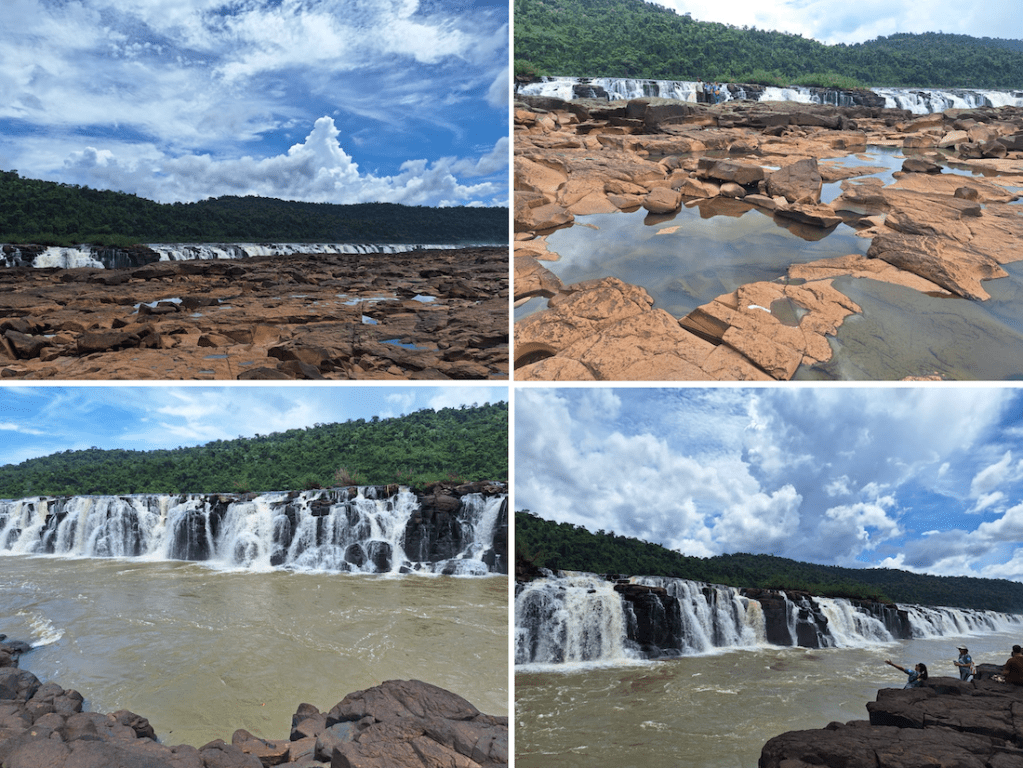
In last month’s post, I wrote about something that I would present now. My friend Neide visited recently the South West corner of Brazil, where there is an amazing water fall. Far from being so well known as the Iguaçu falls, but not very far away, there lies Salto do Yucumã (Yucumã falls), Derrubadas, state of Rio Grande do Sul, Brazil. In these water falls, water from one side of Rio Uruguay falls into the other side of the river. However, this can only be seen when the water level in the main river is low, if not it will be hidden under the surface. You have to be lucky to see the falls because the water level depends on what is liberated from the hydroelectric plant in Chapecó, state of Santa Catarina, Brazil, that is located upstream. These falls are considered to be the widest longitudional falls in the world, 1800 m wide. More about this can be found in reference #2 below.

Here are some nice pictures from Salto do Yucumã:

These photos were taken on 57’2024 (2024-02-26) at Salto do Yucumã (Yucumã falls), Derrubadas, state of Rio Grande do Sul, Brazil, by Neide Martins de Aguiar.

That’s what I learned in school today!

Ref.:

1: Lucas Braathen

2: Turvo state park

*: What did you learn in school today?

60’2024 (2024-02-29) – Leap day

Today, I learned about:

We have come to that day every four years when we are blessed with one extra day. Some think it is good, while others do not. If you have a fixed monthly salary, it means that you are working one day for free!

In my post eight years ago, I explained the reason for why we have the 29th of February every four years, you may revisit it here: 60’2016 (2016-02-29)

You may remember that in my post of 356’2023 (2023-12-22) I showed a picture of Inhotim, the outdoor art museum that is considered to be one of the biggest of its sort, blendid in with a variety of bothany. Unfortunately, time has leapfrogged me, but here is finally more interesting facts about it. The name Inhotim is said to be derived from a former owner of the land where Inhotim is located today, a Mr. Tim, which the local dialect transformed to Senhor Tim -> Nhô Tim -> Inhotim, as simple as that. But it was thanks to a Brazilian mining magnat, Bernardo Paz, who bought the land to preserve it from exploitation and also bought contemporary works of art, that Inhotim could be created. He started with that feat in 2004 and could finally open the museum in 2006. In reference #1 below is the complete story.

You may have heard the name of Brumadinho, the municipality where Inhotim is located, in another, unfortunately terrible context. On 25’2019 (2019-01-25), a dam of a mine in Brumadinho broke and it led to a disaster where 270 people lost their lives and vast pieces of land, both built and unihibited, were totally destroyed. Luckily, Inhotim is located on a higher altitude, so the dam catastrophe did not affect it. More about the dam tragedy can be seen in reference #2 below.

Finally here are some nice pictures from Inhotim:

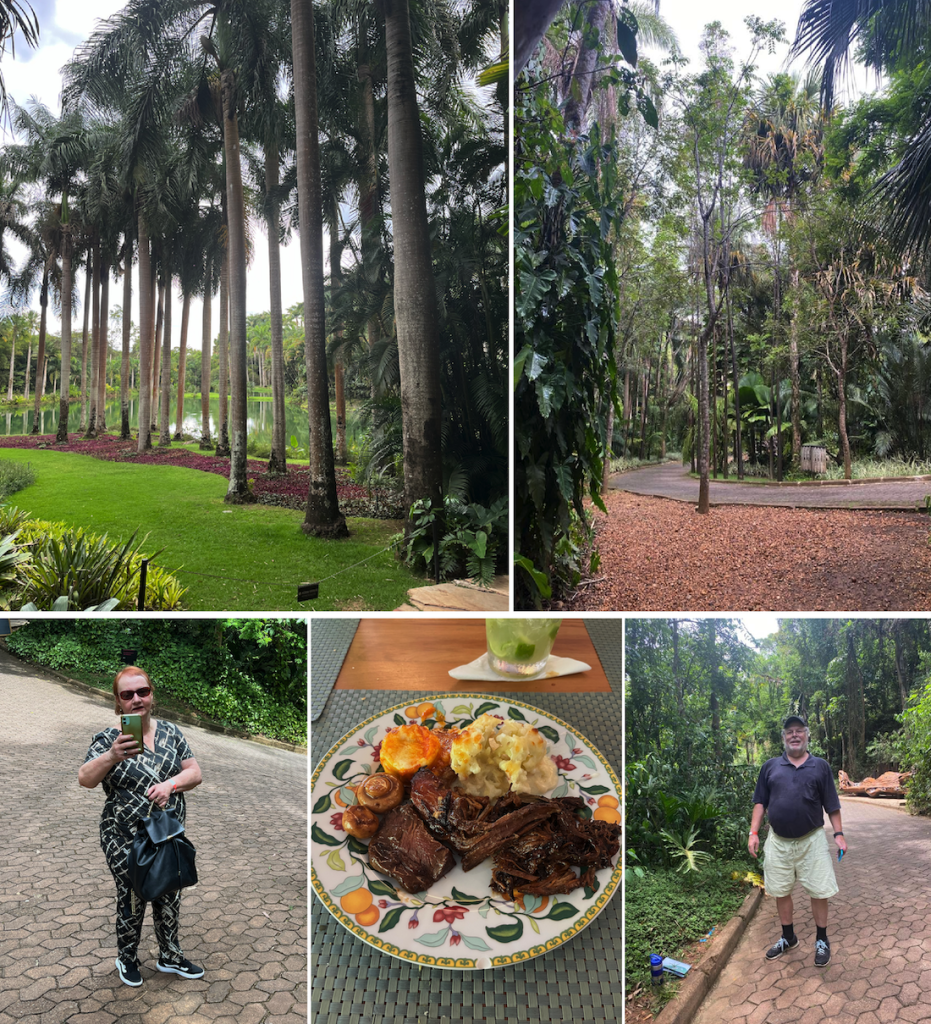
Pictures from Inhotim, taken during the visit Adriana and I paid there on 342’2023 (2023-12-08). This museum of contemporary art and bothany is fantastic and when one needs to recharge the batteries then there is this delicious restaurant demonstrating what makes the state of Minas Gerais such a fabulous place to visit, famous for its food and drinks.

Today’s header photo was taken by my friend Neide who recently visited the Southwest corner of Brazil. It shows the waters from Rio Uruguay falling down in a spectacular extension, in the so called Salto do Yucumã. More about it will come next month!

That’s what I learned in school today!

Ref.:

1: Inhotim

2: Brumadinho dam disaster

*: What did you learn in school today?

11’2024 (2024-01-11) – Gala lights

Today, I learned about:

As I have mentioned in two earlier posts in 2022, 16’2022 (2022-01-16) and 58’2022 (2022-02-27), this time of the year in the Northern hemisphere can show the interesting Aurora borealis (Northern lights) and six months from now the time will come for the Southern hemisphere with its Aurora australis (Southern lights). But there is also a different phenomenon that can be present and seen if we are lucky.

Yesterday, I received a message from my good old friend Dina, native from Kazakhstan, who nowadays lives in Ireland. She had gotten a photo from a friend of hers in Uralsk, her home town. You can see the picture in today’s header. In Russian this phenomenon is called the equivalent of Gala lights, but when searching for that term on Google, I found nothing. Dina discovered that the English denomination is Light pillar, and in contrast to Northern and Southern lights being electric impulses, the Light pillar is more of an optical illusion, similar to a halo or a rainbow, where water drops high up in the sky refract the sun light and create this marvellous sensation. But this can only happen when the sun is very low on the horizon, rising or setting, and in temperature below -20 degrees Celsius. More of this can be found in reference #1 below.

Addendum on 13’2024 (2024-01-13)

Only two days after I published the post above, I learned of another interesting natural phenomeon that only can occur during the winter.

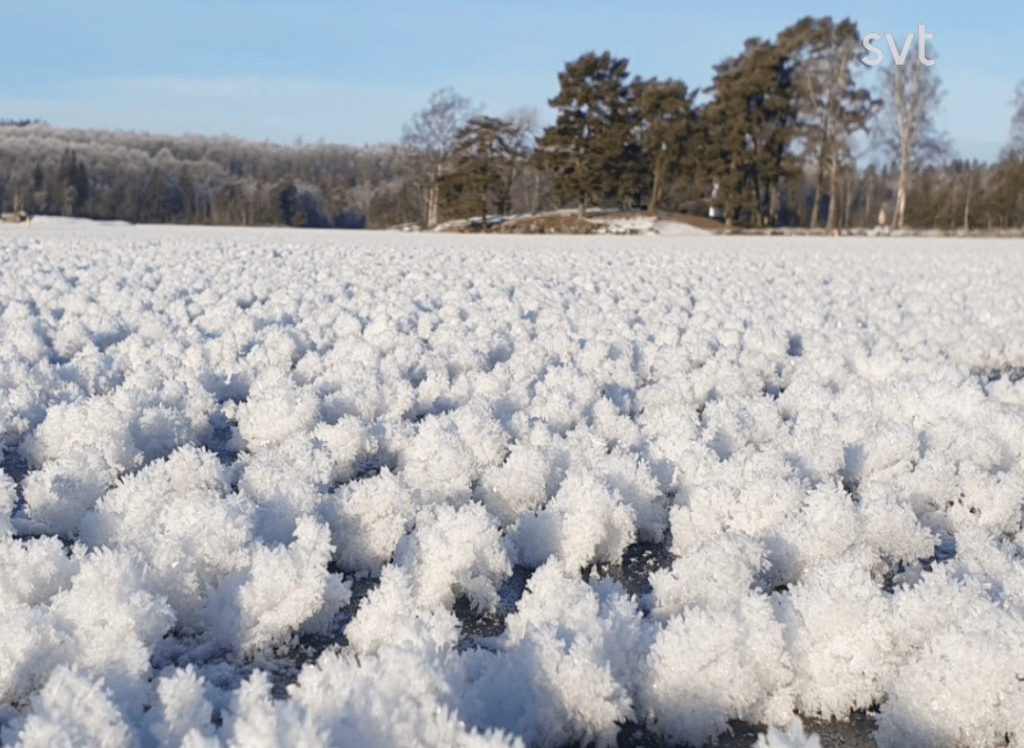
This time it is an earthbound matter. In the vicinity of Gothenburg, Sweden, a woman named Emelie Mellberg decided to take a walk on sunny winters day. When she came to the lake Kåsjön, there was something absolutely marvellous that caught her eyes. On the frozen ice surface were thousands of ice crystals forming flowers, the reason why this phenomenon is called ice roses. It happens when the droplets reach the surface from underneath. Water vapor freezes on the drops and starts to form flowerlike figures. The conditions for this to occur depend on the air temperature and humidity. There is a need for clear sky, a light wind and cold weather. See the following photo and the video clip in reference #2. My warmhearted thanks to my friend Cecilia for appointing this to me!

Ice roses on Kåsjön, Gothenburg. Photo by Emelie Mellberg and published by SvT.

That’s what I learned in school today!

Ref.:

1: Light pillar

2: Ice roses

*: What did you learn in school today?